What is a Telemetry Nurse?
Telemetry nurses (Tele RNs) take care of patients who need continuous cardiac and vital sign monitoring often due to heart disease, arrhythmias, or other medical conditions that require close observation.
Telemetry patients often require closer cardiac monitoring than standard medical-surgical patients, though in some hospitals this care is provided on med-surg units equipped with telemetry. So, if you’re considering a career as a Tele RN, it’s important to have strong critical-thinking skills, attention to detail, and technical expertise to interpret complex cardiac data and respond quickly to patient needs.
In this guide, we’ll cover everything you need to know about telemetry nursing, including typical duties and responsibilities, work environment, qualifications, and what sets this nursing specialty apart.
Whether you’re exploring a career change, considering a new specialty, or seeking a travel nursing opportunity, Gifted Healthcare is here to connect you with rewarding telemetry RN roles and support your career journey every step of the way!
What Does a Telemetry Nurse Do?
The typical duties and responsibilities of a telemetry nurse include, but aren’t limited to:
- Consulting with healthcare team members to assess, plan, implement, and evaluate individualized patient care plans
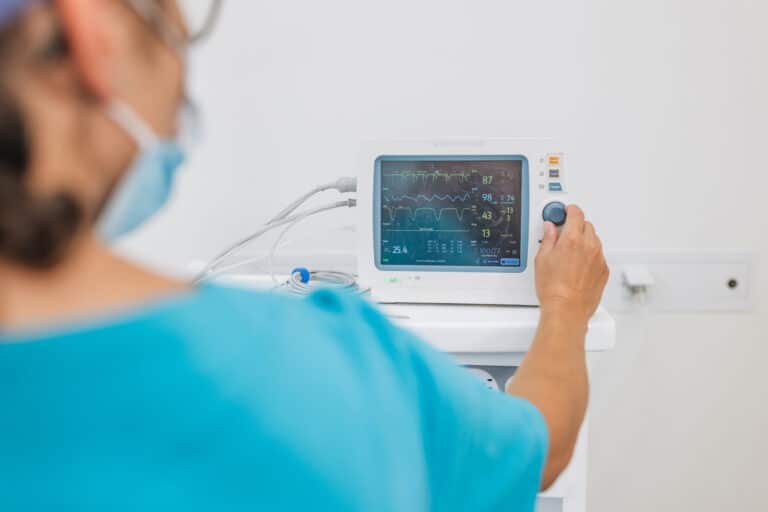
- Utilizing specialized monitoring equipment to track heart rate, blood pressure, respiratory rate, oxygen saturation, and continuous ECG data
- Monitoring and interpreting electronic displays to detect changes or irregularities in cardiac rhythms and other vital signs
- Interpreting complex medical data and responding quickly, safely, and effectively to changes in patients’ conditions
- Preparing, administering, and documenting medications according to physician orders and facility policies, and reporting any adverse reactions immediately
- Preparing equipment and assisting physicians during examinations, diagnostic procedures, and treatments
- Identifying and reporting abnormal telemetry readings to the appropriate members of the healthcare team to ensure timely medical intervention
- Educating patients and families on cardiac health, telemetry monitoring, recovery expectations, and discharge care plans
Essential Telemetry Nurse Qualities and Skills
Telemetry nurses need to be detail-oriented and observant because they have to keep a close eye on patients’ vital signs and make quick decisions. Some other qualities and skills that make a great telemetry nurse include:
- A strong understanding of how the heart works, along with knowledge of medications and treatment plans that support different cardiac conditions.
- The ability to assess situations quickly and make on-the-spot decisions when patients' conditions change.
- Effective communication skills to support patients and families and ensure the healthcare team is on the same page.
- Compassion and empathy to support patients throughout their treatment journeys.
- Time management and multitasking to juggle multiple patients and responsibilities without missing important details.
- Comfort with technology to confidently use monitors, electronic charts, and other medical equipment.
- The ability to stay calm and adaptable in fast-paced and unexpected situations.
How to Become a Telemetry Nurse
To become a telemetry nurse, the most important step is to earn an Associate Degree in Nursing (ADN) or a Bachelor of Science in Nursing (BSN). An ADN typically takes about two years, while a BSN usually takes four years. After graduating, you’ll need to pass the NCLEX-RN exam.
Then, you’ll need to gain some general nursing experience before transitioning into the specialty. Most telemetry units prefer nurses who already have experience in medical-surgical (med-surg) nursing. Med-surg gives you a solid foundation in patient care, vital signs monitoring, medication administration, and other duties.
However, in some cases, new graduate nurses can sometimes start in telemetry if the hospital offers a structured orientation or training program for telemetry. These programs usually include classroom instruction, hands-on practice with telemetry monitors, and preceptorship with an experienced telemetry nurse.
Telemetry Nursing Certifications
In addition to clinical experience, certain certifications can help prepare you for a career in telemetry nursing. Some are commonly required by facilities, while others are optional but can help you stand out when applying for telemetry nursing roles:
- Basic Life Support (BLS): Facilities require all nurses to have this certification.
- Advanced Cardiovascular Life Support (ACLS): Since telemetry nurses monitor cardiac patients, the ACLS certification is usually required to ensure you can respond to emergencies like arrhythmias, heart attacks, or cardiac arrests.
- Pediatric Advanced Life Support (PALS): If you're working in a pediatric telemetry setting, this certification will likely be required.
- Telemetry Nursing Certification (CETN): This certification provides specialized training and expertise in telemetry nursing. (Not required).
- Cardiac Medicine Certification (CMC): Many telemetry nurses pursue this certification to deepen their cardiac knowledge. (Not required).
- Certified Medical-Surgical Registered Nurse (CMSRN): This certification is helpful for nurses transitioning from med-surg to telemetry. (Not required).
How Long Does It Take to Become a Telemetry Nurse?
Becoming a telemetry nurse usually takes around 3 to 6 years, including completing your nursing education, passing the NCLEX-RN exam, receiving your RN license, and gaining the required certifications and relevant experience.
In terms of certifications, Basic Life Support (BLS) and Advanced Cardiovascular Life Support (ACLS) are typically required for all nurses, regardless of the unit. You can also pursue optional certifications, like Telemetry Nursing Certification (CETN), while working in med-surg or a step-down unit if your hospital allows it, or through independent study.
Even if you’re not in telemetry yet, earning these certifications shows your interest in cardiac care and can help speed up the process when you have enough experience to transfer to a telemetry unit!
How Much Do Telemetry Nurses Make?
Based on averages from nursing jobs listed on Gifted Healthcare, many telemetry travel nurses make more than $2,100 per week, while local telemetry nurses make more than $1,900 per week.
However, rates vary by agency, position type—travel, permanent, per diem, or local—and location, with urban hospitals generally offering higher pay than rural facilities. Travel assignments also typically pay more than other nursing jobs.
Frequently Asked Questions About Telemetry Nursing
What settings can telemetry nurses work in?
Telemetry nurses typically work in hospitals. However, they can also work in cardiac rehab centers, local medical clinics, outpatient clinics, home health or remote monitoring programs, and other specialty practices.
What does a typical day look like for a telemetry nurse?
A typical day for a telemetry nurse often includes checking vital signs frequently, reviewing labs, administering medications and treatments, communicating with the healthcare team, educating patients and families, and charting/documenting observations.
How many patients does a telemetry nurse care for at one time?
Telemetry nurses typically care for fewer patients at a time compared to other nurses. In a standard hospital telemetry unit, they usually manage 4 to 6 patients per shift, though this can vary depending on the hospital, patient acuity, and staffing levels.
In units where patients are more unstable or have complex cardiac issues, telemetry nurses may only see 3 to 4 patients to allow for closer observation.
What type of patients are on the telemetry unit?
Telemetry patients are typically those who need continuous cardiac monitoring or are at risk for changes in their heart rhythms and vital signs. This includes patients recovering from a heart attack, unstable angina, or heart surgery, as well as those with arrhythmias, heart failure, or electrolyte imbalances that can affect heart function.
Patients on certain cardiac medications, such as antiarrhythmics or diuretics, may also require more intensive telemetry monitoring.
What’s the main difference between a telemetry, med-surg, and step-down nurse?
Step-down nurses provide high acuity care to patients who are less stable but don't need full ICU support. Med-surg nurses, on the other hand, care for more stable patients who need general medical or post-surgical support. Telemetry nurses focus specifically on caring for patients who need continuous cardiac monitoring.
What are the pros of telemetry nursing?
Some pros of telemetry nursing include job stability, as hospitals will always need these specialized nurses. Additionally, you’ll care for patients with a range of medical and cardiac conditions, which keeps the work interesting. Lastly, working in telemetry builds strong assessment, critical thinking, and rapid decision-making skills that can transfer to the ICU or other specialized units.
What are the cons of telemetry nursing?
While telemetry nurses typically care for fewer patients than other nurses, the complexity of their patients’ needs requires a lot of focus. This isn’t necessarily a disadvantage, but it does mean that stamina, attention to detail, and the ability to stay calm during stressful situations are essential for providing safe and effective care.
Can I become a traveling telemetry nurse? What are the requirements?
Absolutely. Travel telemetry nurses are in high demand, and these assignments offer a great way to refine your skills while experiencing new places. Plus, you can choose assignments that fit your lifestyle and career goals.
The most important requirement to become a traveling telemetry nurse is to have an active Registered Nurse (RN) license. In addition, you should apply for the Nurse Licensure Compact (NLC) because it allows you to obtain a multistate license and practice in any state that is part of the compact.
Most travel nurse agencies and hospitals require at least two years of recent telemetry nursing experience before accepting travel assignments. Gifted Healthcare typically requires at least one year of experience in your preferred specialty.
Learn more about how to start travel nursing, including specific requirements, steps, and the benefits of this rewarding career path!
Find Your Next Telemetry Nursing Job with Gifted!
Gifted Healthcare provides healthcare professionals with exceptional, high-paying career opportunities, including telemetry nursing.
We’ve earned recognition as a Best Travel Nurse Agency by The Gypsy Nurse, the world’s largest online community for travel nurses, and as a Top 20 Travel Nursing Company by BluePipes, the leading professional networking platform in healthcare.
Connect with a recruiter to join the Gifted Family today! Apply here.
You Might Also Like